In this article, we’ll continue porting our mesh voxelizer to the GPU. If you haven’t read them already, you can read the first two parts here and here. We’ll build
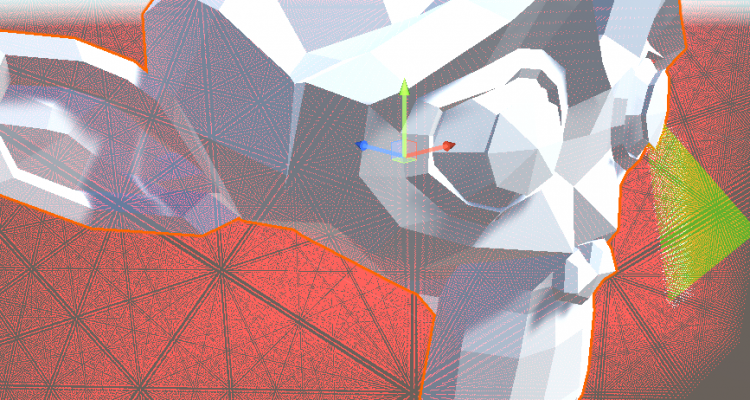
In this article, we’ll start porting my naive mesh voxelizer to a multithreaded mesh voxelizer that runs on the GPU through Compute Shaders. First, we’ll set up the compute
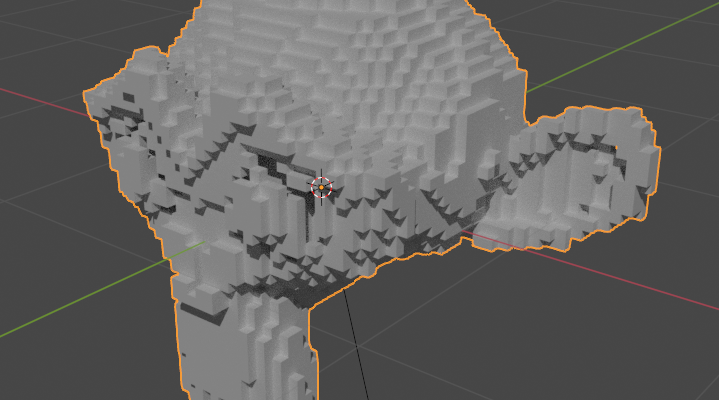
In this article, I explore a naive approach to mesh voxelization in Unity. Mesh voxelization is a helpful tool to determine mesh connectivity and volume. We can use this information to create
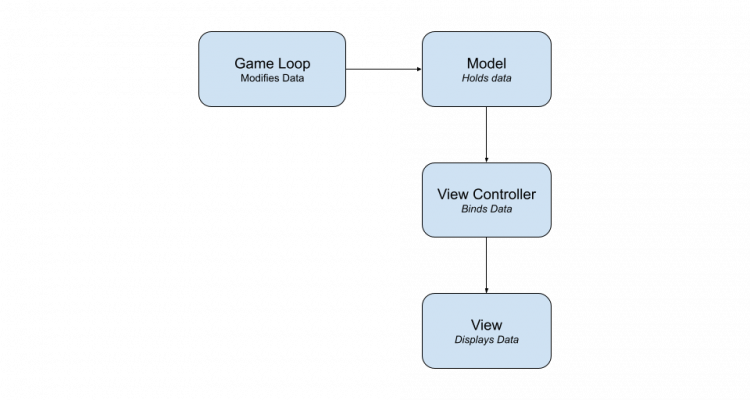
This article describes an approach to structuring UI in Unity. This approach is based on the Model View Controller (MVC) pattern, but it’s slightly adapted for Unity. This isn’t the only
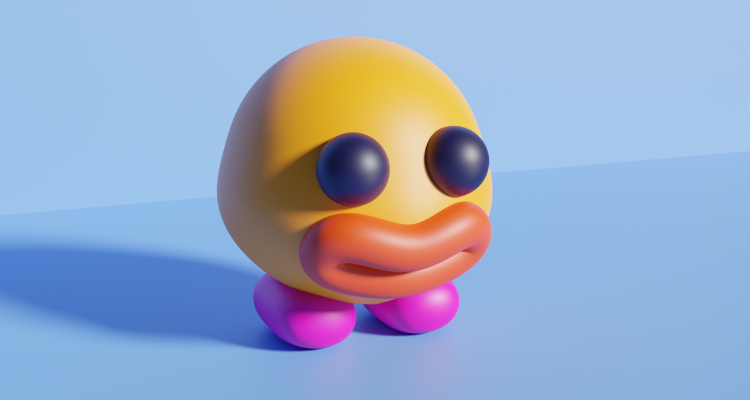
This article shows a powerful Unity pattern that I’m calling Structured prefabs. Structured prefabs are a pattern I use to simplify prefab initialization and reduce bugs. They help to indicate
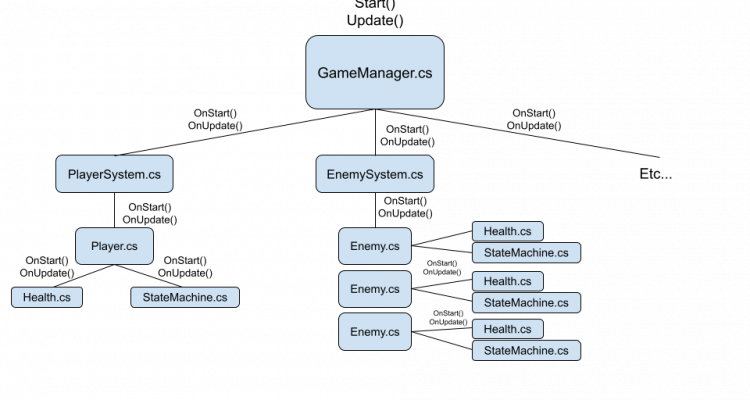
This article will show the benefits of using a main loop as a foundational structure for your Unity games. The main loop is a powerful pattern that makes projects easier to debug and maintain and
This article is about adding interactivity and game logic to Compute Shaders. For my introduction to Compute Shaders, check out this post. We’ll do this by writing a version of Pong that
This article covers the basics of Scriptable Objects and some ways in which they’re helpful. First, I’ll explain what Scriptable Objects are. Then, I’ll explain what they do
This article covers the basics of Compute Shaders. We’ll generate a simple maze using a basic Compute Shader and the binary tree maze algorithm. This relatively simple explanation of
This article completes my approach to drawing pseudo-Metaballs in an optimized way using Unity, the Universal Render Pipeline (URP) and Scriptable Renderer Features. In the previous article, we